

illuminated wall mirror
Introduction to Hydraulic Check Valves Hydraulic check valves are critical components in fluid control systems, ensuring unidirectional flow and preventing backflow. Among the various types, the Slow-Closing Check Valve stands out for its innovative design and superior performance. This article explores the features, technical specifications, and applications of this advanced valve, as well as the company behind it, Storaen (Cangzhou) International Trading Co. Product Overview The Slow-Closing Check Valve is engineered to address the challenges of rapid flow control and water hammer effects in hydraulic systems. With a focus on durability and precision, this valve is designed for industrial and commercial applications where reliability is paramount. Key features include a novel structure, excellent sealing, low resistance, and a large flow capacity, making it a versatile solution for diverse environments. Key Features and Benefits 1. Novel Structural Design The valve's innovative structure ensures optimal performance. Unlike traditional check valves, the Slow-Closing Check Valve incorporates advanced engineering principles to enhance flow dynamics and reduce wear. This design allows for smoother operation and extended service life. 2. Excellent Sealing Performance One of the standout features of this valve is its Slow-Closing Check Valve 's ability to maintain a tight seal, even under high-pressure conditions. This ensures minimal leakage and enhances system efficiency, which is crucial for applications where fluid integrity is essential. 3. Low Resistance and Large Flow Capacity The valve is designed to minimize flow resistance, allowing for a large volume of fluid to pass through. This feature is particularly beneficial in systems requiring high throughput, as it reduces energy consumption and operational costs. The Slow-Closing Check Valve is ideal for applications where maintaining flow efficiency is critical. 4. Long Service Life Constructed with high-quality materials, the Slow-Closing Check Valve is built to withstand harsh conditions. Its robust design ensures a long service life, reducing the need for frequent replacements and maintenance. This makes it a cost-effective solution for industrial applications. 5. Adjustable Operation The valve can be adjusted to suit different working conditions, allowing users to optimize performance based on site-specific requirements. This adaptability ensures that the Slow-Closing Check Valve can be tailored to meet the unique needs of various hydraulic systems. Technical Specifications Parameter Specification Model 300X Slow-Closing Muffler Check Valve Structure Novel Design Sealing Performance Excellent Flow Resistance Low Flow Capacity Large Service Life Long Adjustability Yes Applications and Use Cases The Slow-Closing Check Valve is suitable for a wide range of applications, including but not limited to: Industrial Hydraulic Systems: Ensuring controlled flow in manufacturing processes. Water Treatment Plants: Preventing backflow and maintaining system integrity. Oil and Gas Industry: Managing fluid flow in pipelines and storage systems. Power Generation: Enhancing efficiency in cooling and lubrication systems. Marine Applications: Providing reliable flow control in shipboard systems. Its versatility makes it an ideal choice for industries where precise flow control is essential. The ability to adjust the valve's operation further enhances its applicability across different environments. Company Background: Storaen (Cangzhou) International Trading Co. Storaen (Cangzhou) International Trading Co. is a leading provider of hydraulic solutions, with a commitment to innovation and quality. The company specializes in manufacturing and supplying high-performance valves that meet the demands of modern industrial applications. With a focus on customer satisfaction, Storaen has established itself as a trusted name in the industry. As a global trading company, Storaen leverages its extensive network to deliver products that adhere to international standards. The Slow-Closing Check Valve is a testament to the company's dedication to excellence and its ability to meet the evolving needs of its clients. Industry Standards and Compliance The Slow-Closing Check Valve is designed to comply with industry standards that ensure safety and efficiency. According to the National Institute of Standards and Technology (NIST), "precision measurements and standards are essential for the development of reliable and safe industrial equipment" (NIST, 2025). This commitment to standards is reflected in the valve's design and performance. NIST's role in advancing technology and ensuring the accuracy of measurements is critical for industries reliant on hydraulic systems. By adhering to these standards, Storaen (Cangzhou) International Trading Co. ensures that its products meet the highest levels of quality and reliability. Conclusion The Slow-Closing Check Valve from Storaen (Cangzhou) International Trading Co. represents a significant advancement in hydraulic technology. With its innovative design, superior performance, and adaptability, this valve is an essential component for various industrial applications. As the demand for efficient and reliable hydraulic systems continues to grow, the Slow-Closing Check Valve stands out as a solution that meets the challenges of modern engineering. References 1. National Institute of Standards and Technology (NIST). "Driving Innovation." https://www.nist.gov/ 2. Storaen (Cangzhou) International Trading Co. "Slow-Closing Check Valve." https://www.strmachinery.com/slow-closing-check-valve.html
about
illuminated wall mirror
Understanding Precision Gauges The Key to Accurate Measurements Precision gauges are indispensable tools in various industries, including manufacturing, engineering, and quality control. These instruments are designed to provide highly accurate measurements of dimensions, tolerances, and alignments, ensuring that products meet stringent quality standards and specifications. At the heart of precision gauging is the need for accuracy and consistency. Traditional measuring instruments, such as rulers and calipers, can only provide a limited level of precision. In contrast, precision gauges utilize advanced technologies that allow for measurements to be taken with minute accuracy, often down to microns or thousandths of millimeters. This level of precision is crucial for industries such as aerospace, automotive, and electronics, where even the slightest deviation can lead to malfunctioning parts or compromised safety. There are various types of precision gauges, each tailored to specific measuring tasks . For instance, depth gauges are used to measure the depth of holes or slots, while thickness gauges assess the thickness of materials. Other common types include dial indicators, which provide readings of small linear distances; snap gauges, which check the external dimensions of components; and sine bars, which are utilized for measuring angles. These instruments often incorporate high-quality materials and sophisticated designs, ensuring durability and reliability in demanding environments. precision gauge One of the significant advantages of using precision gauges is their ability to enhance productivity and efficiency. In manufacturing settings, where time is often equated with money, having precise measurements helps prevent waste and rework. When each component can be measured accurately, it minimizes the chance of errors that could lead to costly production delays or recalls. Furthermore, precision gauges facilitate consistent quality assurance processes, as they enable operators to quickly verify that products meet the required specifications. The calibration of precision gauges is another vital aspect that ensures ongoing accuracy. Regular calibration against known standards is crucial to maintain the reliability of these measuring instruments. Calibration practices may involve comparing the gauge's measurements with those of a certified standard or utilizing specialized calibration equipment. By adhering to strict calibration schedules, manufacturers can ensure that their measurements remain consistent over time, bolstering confidence in their quality control processes. In conclusion, precision gauges are essential tools that play a critical role in modern manufacturing and quality assurance. Their ability to deliver accurate and consistent measurements directly impacts product quality, operational efficiency, and safety. As industries increasingly rely on precision engineering to meet their regulatory and performance standards, the value of precision gauges will continue to grow. Investing in high-quality gauging instruments and practices not only enhances measurement accuracy but also ensures that businesses stay competitive in an ever-evolving marketplace. As technology advances, it is likely that precision gauges will become even more sophisticated, offering improved features and functionalities that further streamline measurement processes.
-

High quality industrial productsagement

High quality industrial products
View Details -

Meet the diverse needs of customers

Meet the diverse needs of customers
View Details -

Strict quality control

Strict quality control
View Details -

Top raw materials

Top raw materials
View Details -

Trusted supplier

Trusted supplier
View Details
Our application
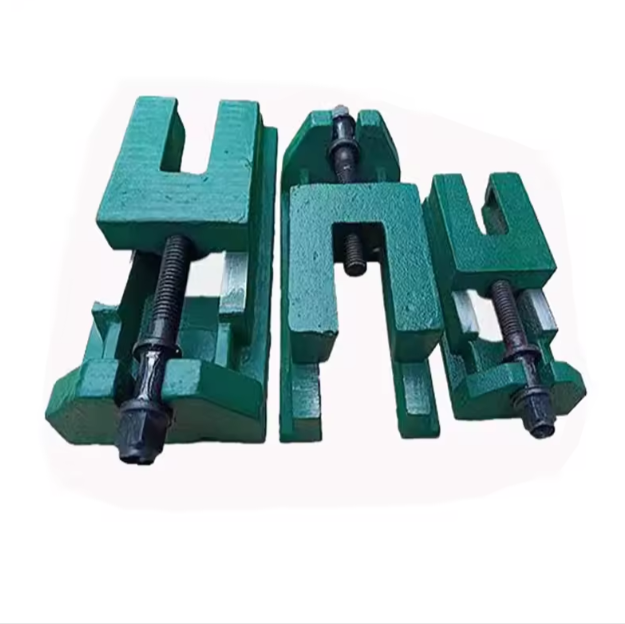


news and information
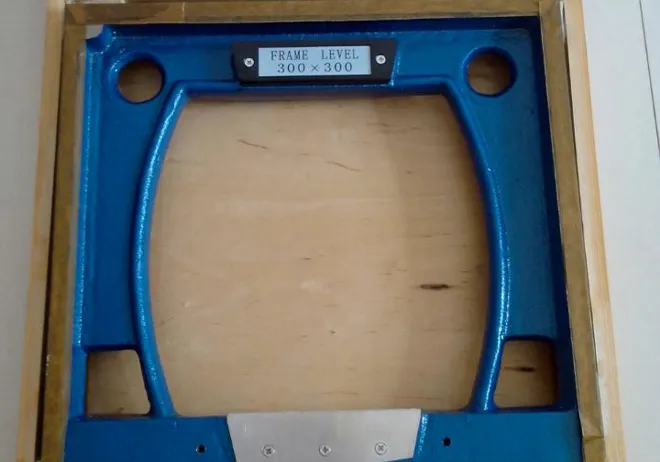
Using a Level to Accurately Mark Measurements on a Ruler
The Importance of Marking Rulers with Spirit Levels The Importance of Marking Rulers with Spirit Lev
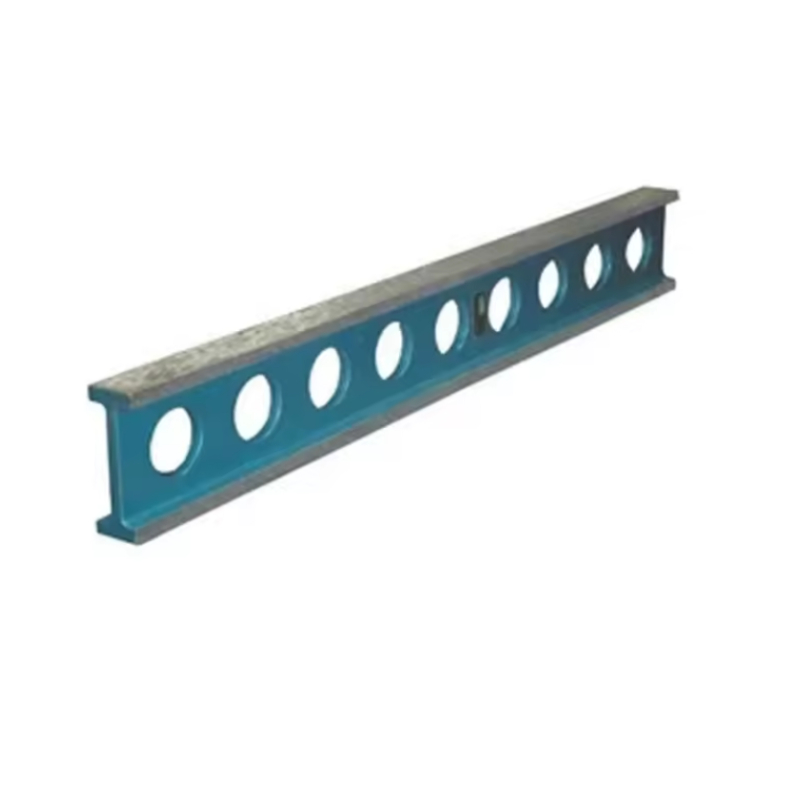
v block
Understanding the V Block in Modern Technology In the fast-paced world of technology, the term V b
waterleidingklep
Waterlijnklep Een Cruciaal Element voor Efficiënt Beheer van Waterlopen Een waterlijnklep, of waterl
 English